

NAVIA HARP
Imperfect Beauty
It’s simply magical.Discover the enchantment of the Navia Harp, a captivating concert harp captured within one of central Europe’s most inspiring venues. The Navia Harp’s sound is delicate yet clear, making it perfect for both neo-classical compositions and intimate dramatic film and game scores. This library combines traditional playing techniques with experimental textures, offering the tools to transform a single chord into a contemporary masterpiece.
Summer Sale price ends 31st July. Regular: €49.
Demos:
Lydian Void by Mateusz Lisiewicz – 1:40
The Beautiful by Adrian Gallagher – 3:25
Hope dies hard. by Paulie Siteau – 1:45
Navia Harp Demo by Władysław Myśliński – 1:12
Beauty in Chaos by Patryk Scelina – 0:49
Komorebi by Piotr Nermer – 2:23
The Idea
Building on the success of the Zaria library, we decided to extend the concept to other instruments. Like Zaria, our goal with this library was to capture inspiring performances, where each note feels like a musical gem. We recorded both irregular and regular performances with varying dynamics and tempo changes. These samples, while imperfect, possess a unique beauty, allowing you to create complex performances effortlessly. Alongside the textures, you also get a fully playable harp for traditional compositions or to enhance experimental pieces.


GUI:


THE INSTRUMENT
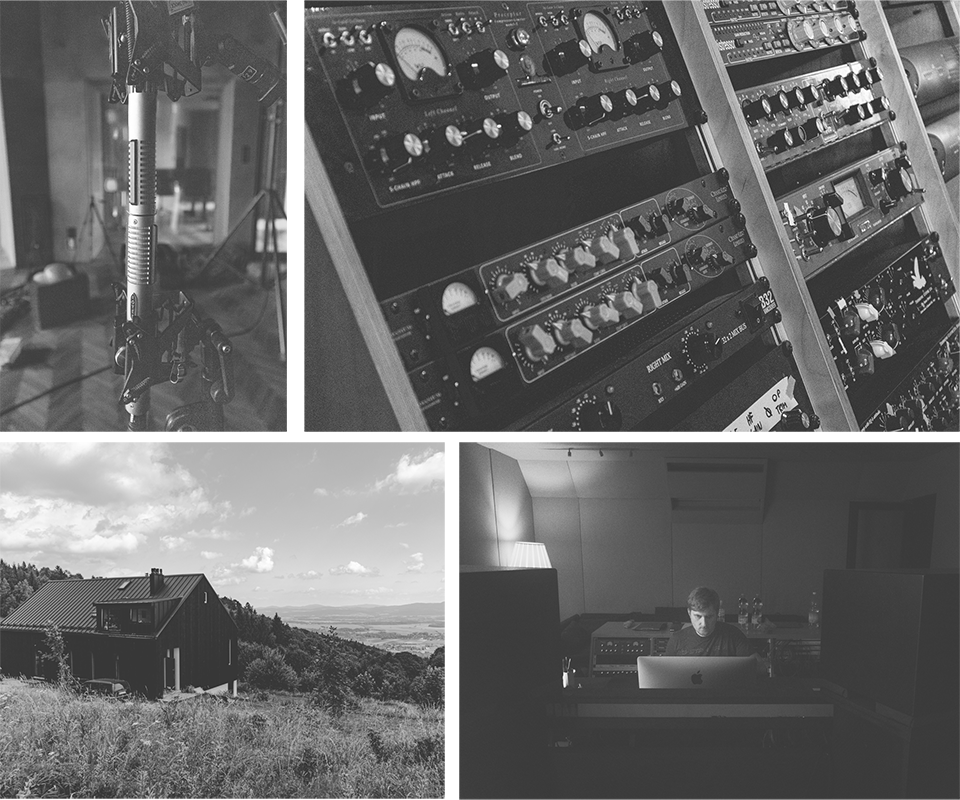
Navia Harp – Imperfect Beauty was recorded in Monochrom Studio, a renowned live space for neo-classical and jazz recordings. The talented Justyna Hebda performed the harp, with all recordings expertly engineered by Kamil Biedrzycki, experienced in film and game music recordings.
The Navia Harp sample library offers two instrument types:
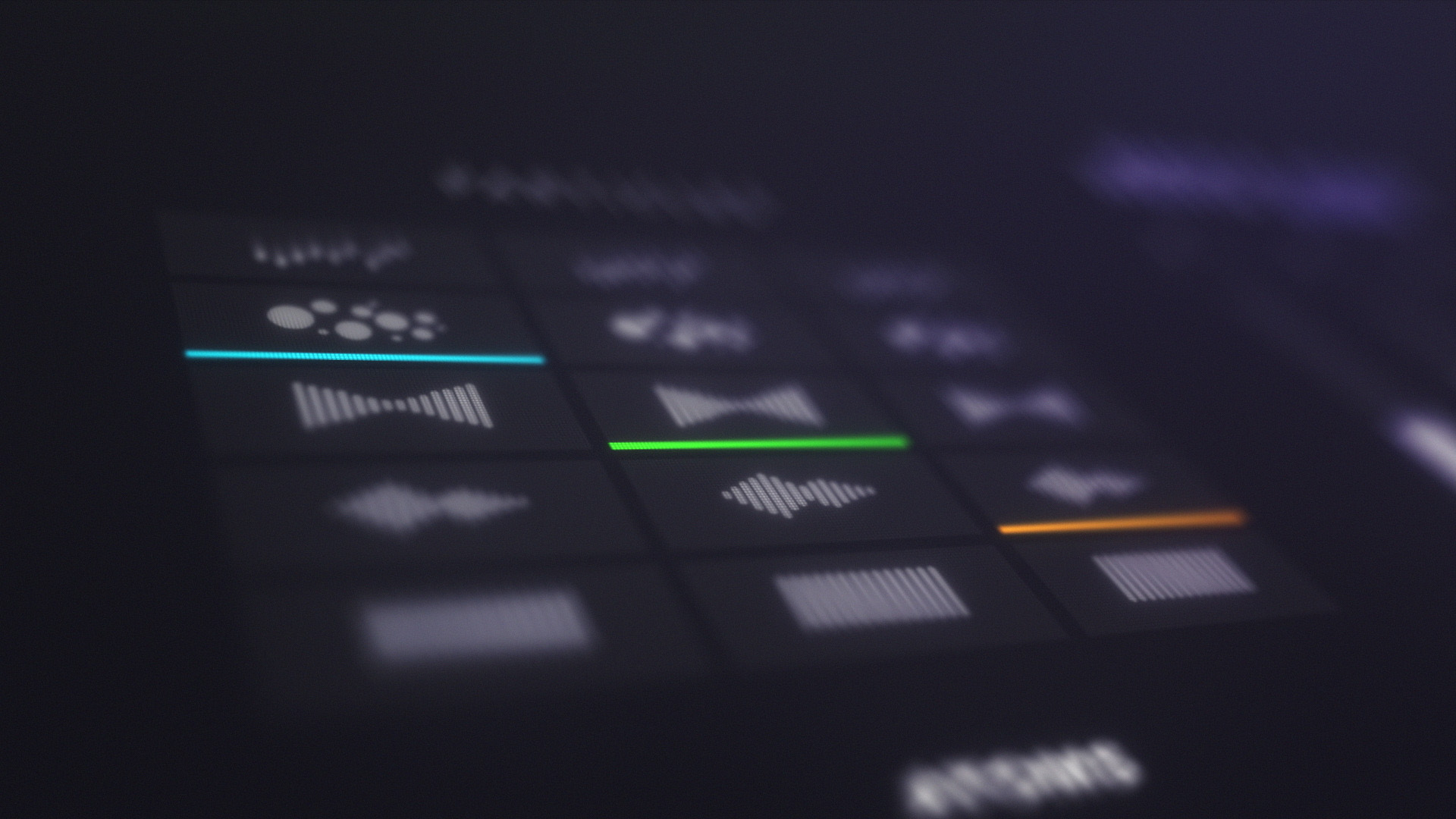
“Particles” feature experimental textural performances divided into “Atoms” (articulations) within three keyboard ranges, allowing for versatile textural exploration. Like the “Zaria” library, you can select your desired “Atom” using the GUI or keyswitches.
Additionally, due to Halion Sonic’s deep integration with Cubase/Nuendo, you can effortlessly create an Expression Map in Cubase/Nuendo for Navia Harp with just one click of a button.
The second instrument type is “Regular” offering traditional plucked articulations with three dynamic layers and three Round Robins for expressive variations.
Each instrument type includes six mix versions created using three microphone setups during recording. This flexibility allows you to tailor the sound to your needs. We’ve captured the harp in a traditional orchestral seating setup, providing the choice of stereo mixes from these two microphone sets or the option to craft your own mix by adjusting the balance and panorama of three signals (Close, Main, Room).
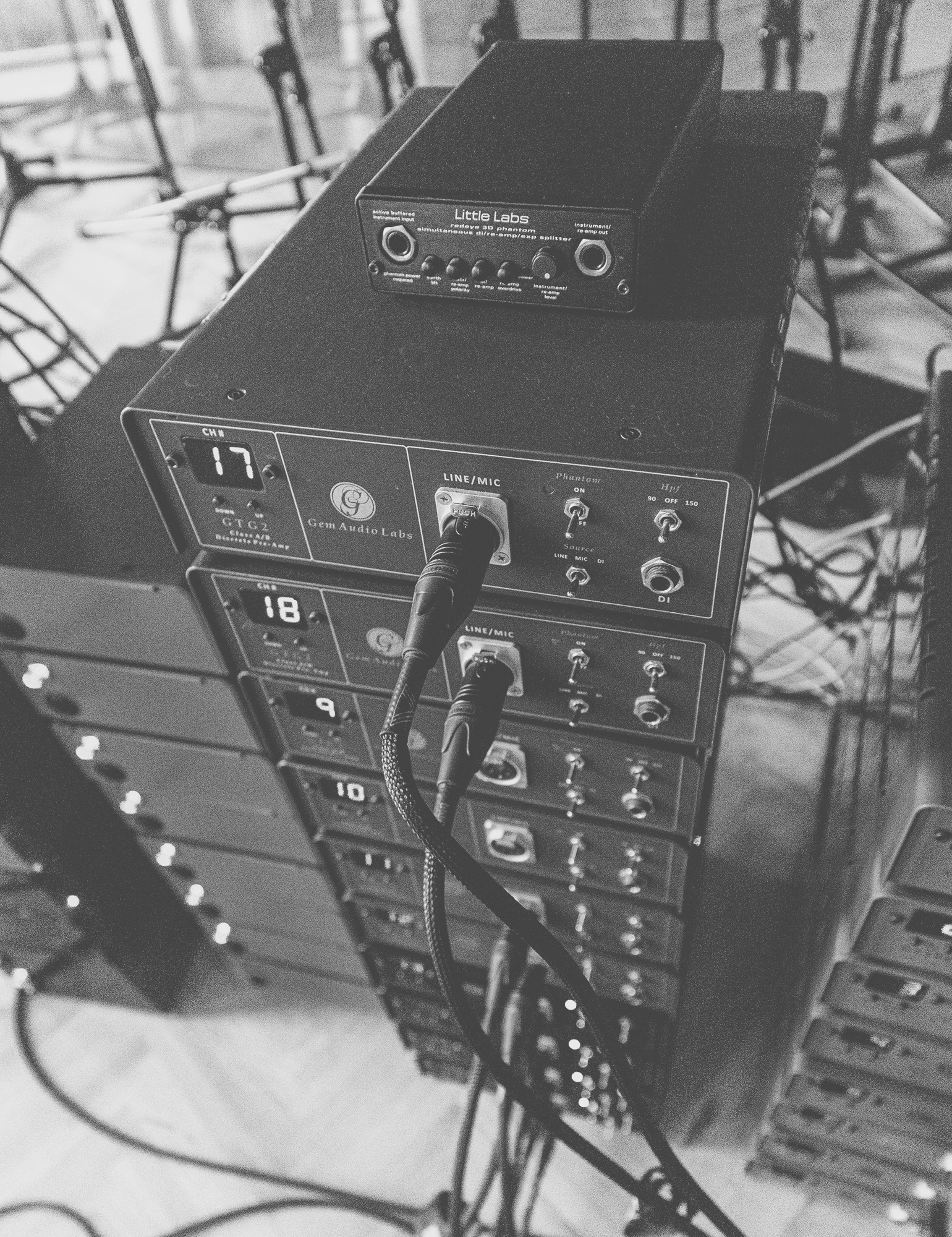
A second set of microphones provides an intimate solo perspective, while the “Superclose” setting combines a closely placed large condenser microphone (U47) with a Geophone on the harp’s body, offering a rich low-end signal ideal for sound design and processing through guitar amps and effects.
CONTENT:
Program types:
Particles – 5 playing techniques (changed by keyswitch or UI) split into 3 playing zones
Regular – plucked playing technique with 3 Dynamics and 3 Round Robins
Mixes:
Orchestral Seating Close (Stereo Mix)
Orchestral Seating Distant (Stereo Mix)
Orchestral Seating ( 3 microphone positions – Close / Main / Room )
Studio Seating – Solo Mix (Stereo Mix )
Studio Seating – Solo ( 3 microphone positions – Close / Main / Room )
Super Close (Mono Mix)
Program list:
Particles – Orchestral Close Mix
Particles – Orchestral Distant Mix.
Particles – Orchestral
Particles – Solo Mix
Particles – Solo
Particles – Superclose
Regular – Orchestral Close Mix
Regular – Orchestral Distant Mix
Regular – Orchestral
Regular – Solo Mix
Regular – Solo
Regular – Superclose Mix
SYSTEM REQUIREMENTS:
- This library works in free Halion Sonic 7 sample player (Download Halion Sonic 7) as well as Halion 7.
Watch our installation guide on YouTube - Halion Sonic 7 is a Steinberg’s software (We recommend trying Halion Sonic 7 with our free Novel Piano if you are new Steinberg user)
- Runs as host or stand-alone application, VST®
- Navia Harp requires 8.7 GB of HDD/SSD space
- Sample resolution: 48 Khz / 24 Bit stereo .wav format (losslessly compressed)
- Check Halion / Halion Sonic 7 requirments on Steinberg’s website
| MAC OSx – Requirments* | Windows – Requirments* |
|---|---|
| macOS Monterey, macOS Ventura, Apple silicon-based Mac: Native App + Rosetta 2 App | Windows 10 (64-bit), 64-bit Windows 11 Version 21H2 (or higher) |
| VST 3, AAX or AU compatible host application | VST 2, VST 3 |
| 64-bit Intel or Apple silicon M1+ | 64-bit Intel or AMD multi-core processor (Intel i5 or faster recommended) |
| 4 GB RAM (8 GB recommended) | 4 GB RAM (8 GB recommended) |
| 1366 x 768 display resolution (1920 x 1080 recommended) | 1366 x 768 display resolution (1920 x 1080 recommended) |
*Halion Sonic 7 System requirements are based on Steinberg’s official website.
